
Maui Luxe Local Guide
Haleakalā Sunrise: Reservations, Tours & What to Know
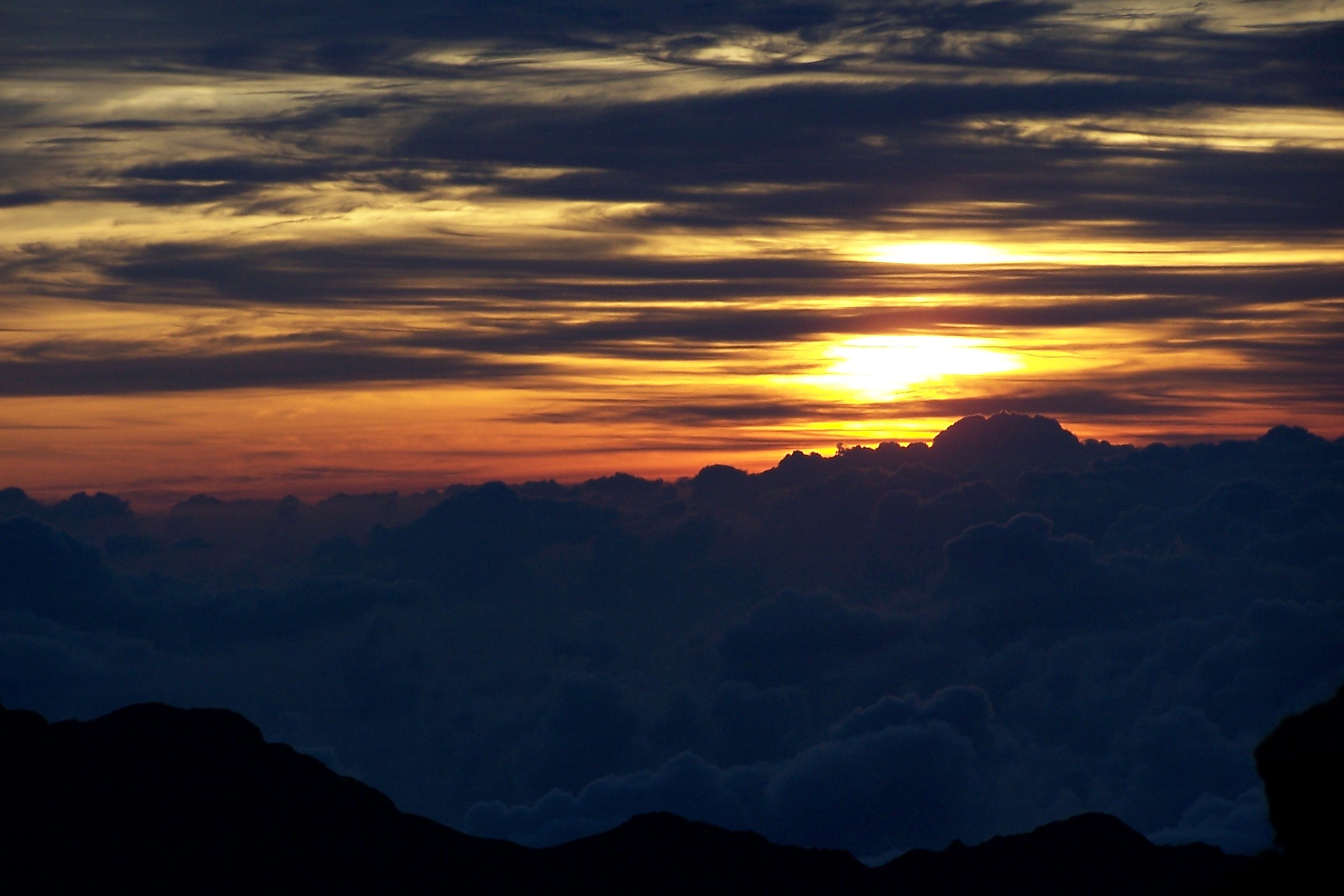
Haleakalā sunrise is worth the early start if you want to watch the light change over a high volcanic landscape and can give the morning the time it needs. It asks more of you than a beach sunrise: advance access arrangements, a dark mountain drive, warm clothing and some flexibility about the weather.
You do not need to choose sunrise to have a rewarding visit. Sunset preserves your morning, while daytime makes it easier to explore at your own pace. This guide helps you choose, then handle the reservation, timing and summit logistics with fewer surprises.
Start With the Morning You Want
Self-drive for sunrise
Choose this if you have a reservation and a rested, confident driver. You control the stops and can stay after the sunrise crowd leaves.
Handle the reservationGuided sunrise tour
Choose this if dark mountain roads or access logistics would distract you. Confirm your pickup address, vehicle and the full return time.
Compare tour formatsSunset or daytime
Choose this if flexibility matters more than dawn. Sunset still needs an early arrival and a dark drive down. Daytime simplifies both.
Compare the alternativesHaleakalā Sunrise Reservations, Step by Step
As of October 5, 2026, each private vehicle needs a sunrise reservation for access during 3–7 am Hawaiʻi Standard Time. Book through Recreation.gov’s official Haleakalā sunrise page. A qualifying park pass can cover the entrance fee, but it does not replace the sunrise reservation. The reservation is still required on a fee-free entry day.
- Choose your date and the person who will attend.
The ticket is for one vehicle, not one person. The named holder must be in the vehicle with matching photo ID. They can be a passenger rather than the driver. Two cars need two vehicle reservations.
- Set reminders for both release windows.
Reservations open 60 days ahead at 7 am HST. Additional reservations open two days ahead at 7 am HST. Log into your Recreation.gov account before release. Hawaiʻi does not observe daylight saving time, so convert the release time for your location and that date.
- Book one vehicle for the correct date.
The reservation costs $1, is nonrefundable and applies only to that day. Each customer may book one vehicle reservation per three-day period. Do not count on exchanging a cloudy morning for another date.
- Keep admission separate in your budget.
Standard private-vehicle entry is $30, covers its occupants and is valid for three days in both park districts. Keep the receipt. If using a valid qualifying park pass, bring it and the holder’s ID. The park is cashless. Bring a payment card or buy the entrance pass online in advance.
- Save your confirmation before you leave.
Recreation.gov accepts confirmation on your device, but an older NPS FAQ asks for a paper copy and dashboard display. The straightforward approach is to save the email offline and bring a printout, along with the named holder’s photo ID. Follow staff instructions on arrival.
Book the official sunrise reservation · Check current admission fees
If you arrive late, your reservation still applies only to the date you booked. If you reach the gate after 7 am, the special reservation window has ended, but you may already have missed sunrise. Check the time for your date before deciding that a 7 am arrival is a substitute.
Haleakalā Sunrise vs Sunset: Which Fits Your Trip?
Sunrise is a deliberate early-morning outing. Sunset fits around a normal breakfast and gives you daylight on the way up, but can be crowded and ends with a mountain descent after dark. Neither guarantees clear skies.
Swipe to compare all columns →
| Planning factor | Sunrise | Sunset |
|---|---|---|
| Reservation | Advance vehicle reservation for the 3–7 am window | No sunset reservation. Admission and capacity limits still apply. |
| Sleep & schedule | A very early departure and a quieter afternoon afterward | A normal morning, then an afternoon and evening in the mountains |
| Dark driving | Uphill before dawn, then downhill in daylight | Uphill in daylight, then downhill after dusk |
| Crowds | Vehicle access is managed, but favorite overlooks still fill. | Open arrival creates gate queues and possible temporary turnarounds. |
| Light & weather | Changing dawn colors, followed by daylight across the crater | Late light and twilight. Clouds can obscure either experience. |
| Exploring | Stay for overlooks and short walks afterward. | Explore before sunset while the light remains. |
| Children & families | Works if the group can manage the alarm, cold and waiting. | Often easier on sleep, but dinner and bedtime may run late. |
| Stargazing | Possible before dawn if arrival, darkness and clouds allow | Possible after twilight if you are warm enough and fit to drive home |
If you are arriving from a time zone well ahead of Hawaiʻi and naturally waking early, sunrise may fit the beginning of your trip. Give yourself a recovery night after travel before asking one person to drive. For a family that dislikes disrupted sleep, daytime is often the easiest choice: the volcanic landscape is still there without planning around either end of the day.
Self-Drive or Guided Sunrise Tour?
Self-driving is a sensible choice for a confident driver with a reservation. The main reasons to pay for a tour are the driving, access arrangements and interpretation. Paying more does not make the weather more reliable.
Swipe to compare all columns →
| Your priority | Self-drive | Authorized guided tour |
|---|---|---|
| Access logistics | You book the vehicle reservation and arrange admission. | The operator handles commercial park access. Check fee inclusion. |
| Driver’s morning | One person must stay rested and focused on the road. | Everyone can be a passenger. Pickup can still be around 2–3 am. |
| Comfort | Your own vehicle, layers and break schedule | Vehicle size, boarding and provided blankets vary. |
| Guiding & food | Independent exploration. Bring breakfast or eat after leaving. | Interpretation and breakfast are common, but product-specific. |
| After sunrise | Stay longer or leave when your group is ready. | Follow the group’s stops and return timetable. |
| Cost | $31 per vehicle for reservation + standard admission without a qualifying park pass, plus rental and fuel | Shared examples below advertise roughly $225–$264 per adult before confirming extras. |
For four adults already renting a car without a qualifying park pass, the reservation and standard admission total is $31 for the group. Four tickets at Skyline’s displayed $224.95 rate come to $899.80 before any checkout additions. That difference buys a driver and an organized outing. Choose it if those services solve a real concern for your group.
A private guide can help people with different walking speeds or break needs, but a private vehicle does not buy an empty public viewpoint. Confirm that the actual operator is authorized for park entry. An ordinary airport or resort transfer is not a substitute for a licensed sunrise tour.
What Time Should You Leave Your Resort?
Start with sunrise on your date, then work backward. NPS recommends reaching the park gate no later than 90 minutes before sunrise. The final drive from the entrance to the highest summit area takes about 30 minutes before any queue or parking delay. Aim to be parked and ready at your viewpoint roughly an hour before sunrise.
Use a route to the Haleakalā Visitor Center near the summit or Puʻuʻulaʻula, not simply “Haleakalā National Park.” The park’s coastal Kīpahulu District is a different destination with no direct road through the park to the summit.
Official NPS pages give different estimates for reaching the Summit District and reaching the actual summit. The conservative budgets below use the longer summit figures. They are planning allowances, not promises or live navigation results.
Swipe to compare all columns →
| Starting area | Drive budget to summit | Leave before sunrise |
|---|---|---|
| Wailea | About 3 hours, using NPS directions | About 4–4½ hours |
| Kāʻanapali | About 3½ hours, using the NPS Lāhainā budget as a conservative starting point | About 4½–5 hours |
| Kapalua | Allow about 3½–4 hours, an editorial extension for farther West Maui | About 4½–5½ hours |
| Kahului | About 2½ hours, using NPS directions | About 3½–4 hours |
| Paʻia | Allow about 2–2½ hours, an editorial estimate to verify from your address | About 3–4 hours |
Example, not a fixed schedule: for a 6:30 am sunrise, the conservative Wailea budget suggests leaving around 2–2:30 am. If your checked route is shorter, you can refine that departure while preserving the gate and viewpoint targets. Do not make up time by rushing the upper road. Use the date-specific sunrise-time link on the NPS page and official directions.
What the drive is like in darkness
The route climbs along paved, winding roads. Upper sections are unlit and have exposed edges, with no guardrails in places. Fog, rain and wildlife can change the pace. A nervous driver should choose a tour or a daylight visit. A rested driver comfortable with mountain roads can self-drive without turning the morning into a race.
Fill the tank or charge sufficiently before the trip. There is no fuel or EV charging in the park. Download directions and confirmation details, use designated parking only and keep a rested return driver. If anyone gets carsick, settle the seating and prevention plan before departure.
Where to Watch Sunrise & What to Expect
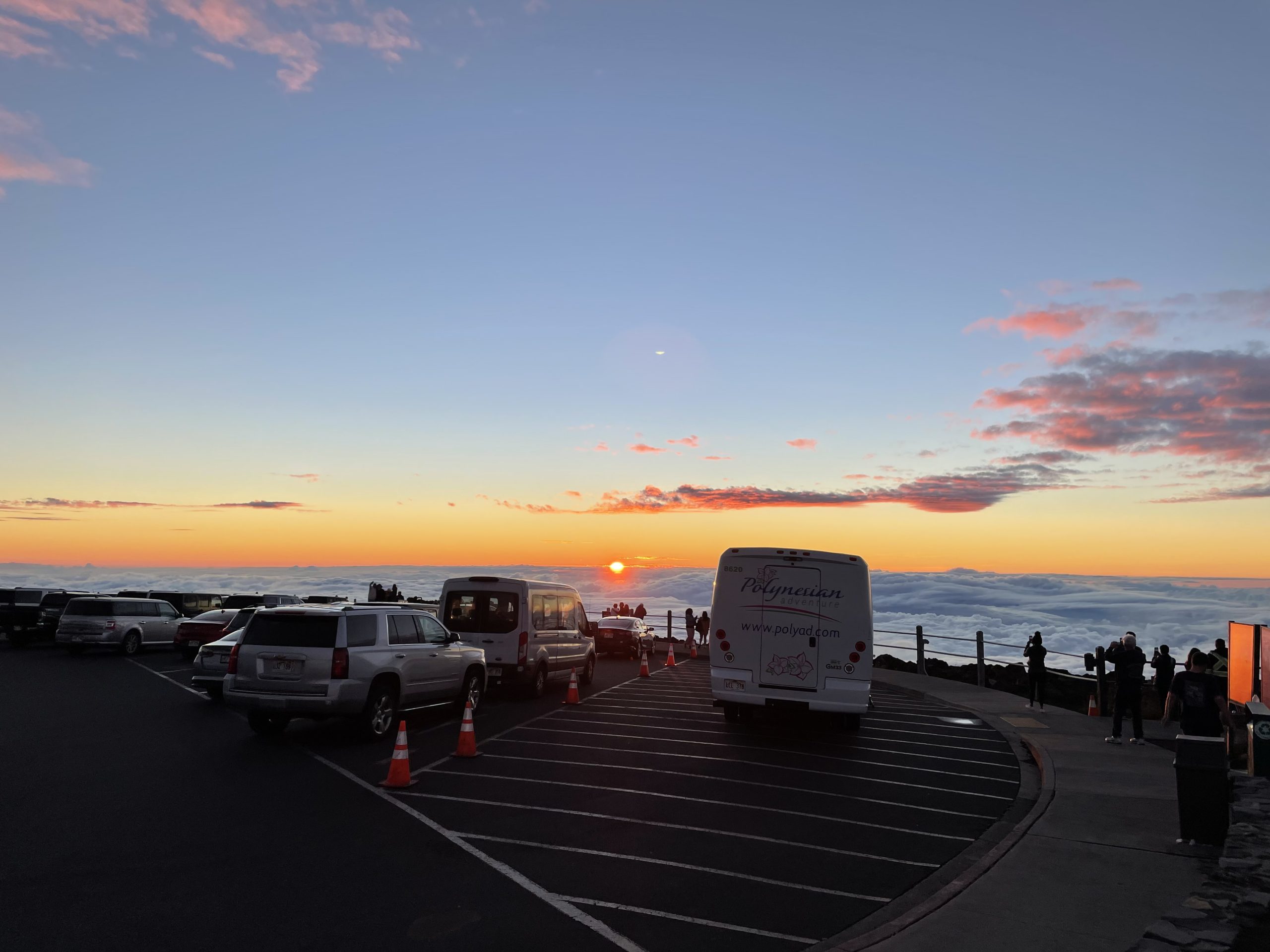
Several overlooks offer sunrise views, including the highest summit. Your reservation does not assign you a particular lot. Follow staff directions and accept a different overlook if the one you wanted is full.
At 9,740 feet, this is a crater-edge viewing area with accessible parking and restrooms. It is a practical starting choice for many visitors. The visitor center generally opens at sunrise and closes at noon, subject to staffing. Do not count on indoor shelter while you wait before dawn. Nearby restrooms are open 24/7, subject to closures.
The highest point, at 10,023 feet, offers broad views when clear. The summit building is reached by a steep ramp that may require assistance.
A lower overlook at 9,324 feet, looking across the crater landscape. NPS describes a roughly 0.1-mile walk to the overlook. Accessible restrooms are available here, but confirm the viewing-area route with the park if you need mobility assistance.
At 8,840 feet, reached by a short rocky walk with uneven steps. Bring a light if approaching before dawn. This is not the simplest option for limited mobility.
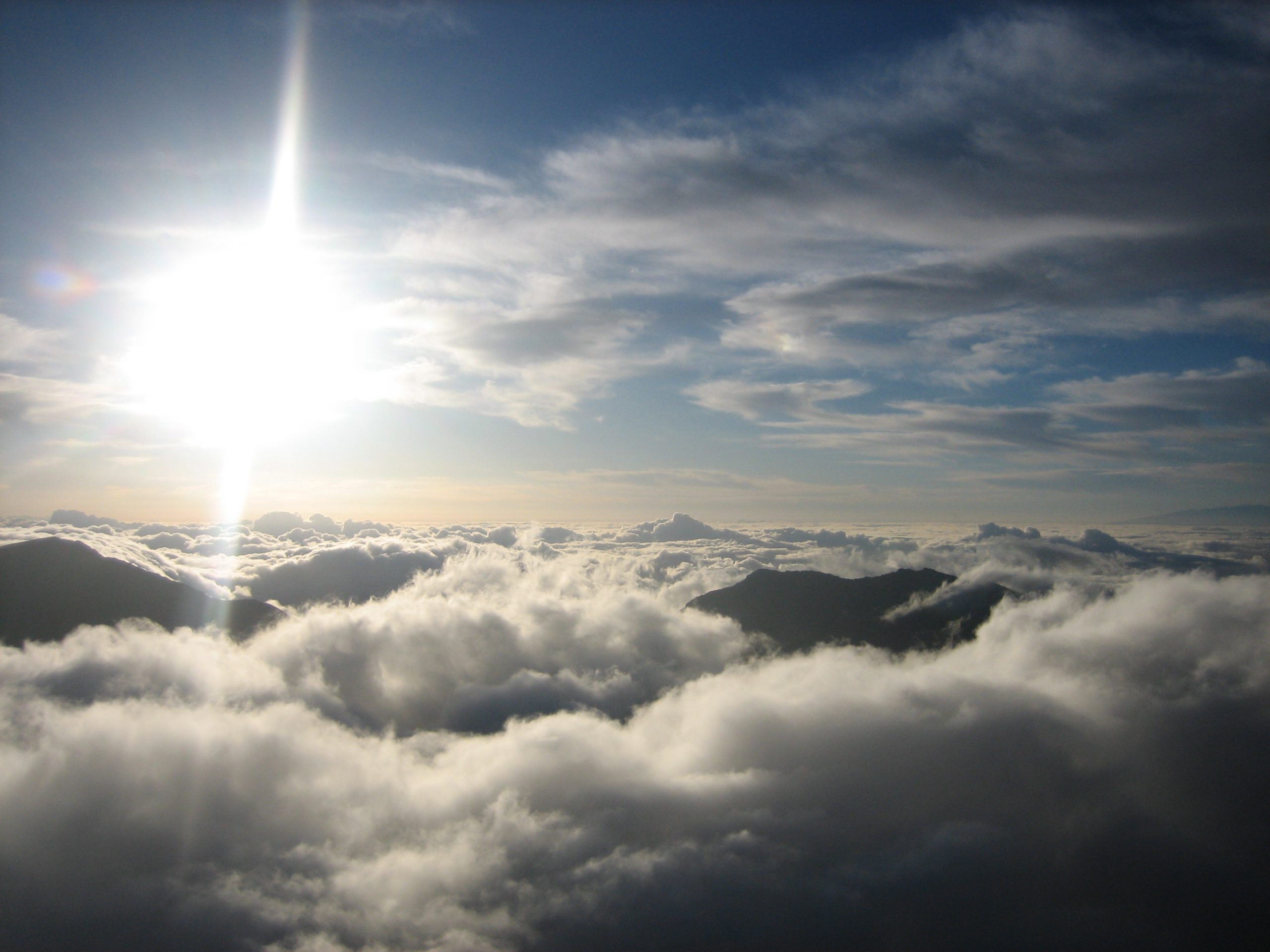
Expect some time standing in cold air while the sky brightens. Choose a place without blocking another visitor’s view, keep the group together and put the phone away for part of the morning. Do not leave immediately because the sun has crossed the horizon. If conditions are safe, give the changing light another 20–30 minutes.
Dress for a Mountain Morning
Use the summit forecast, not your resort’s forecast. NPS describes the summit as about 30°F / 17°C cooler than the coast on average. Freezing temperatures are possible at any time of year, and wind or damp clouds can make the air feel colder. Rain and wind are especially relevant during the November–March rainy season, but warm beach weather is never a reason to skip layers.
Wear before you leave
Long pants, socks, closed-toe shoes, a warm insulating layer and a wind-resistant outer jacket. Add a warm hat and gloves. A blanket helps while waiting, but should supplement your clothing.
Pack for the whole morning
Water, breakfast or snacks, a small flashlight or headlamp, sunglasses and sunscreen. Bring a payment card, identification and saved reservation details. There is no food, fuel or warm clothing for sale in the park.
Restrooms are available at several summit-area sites, including Haleakalā Visitor Center and Kalahaku. Use them before settling into your viewing spot. Bring your own drinking water even though fountains exist, since facility work or a service interruption can change availability.
Check the NPS weather page for the official National Weather Service summit forecasts and webcam. Clouds move quickly. A clear webcam view the evening before is useful context, not a guarantee.
If clouds hide the sunrise
A blocked sunrise can be disappointing, and the reservation is not refundable for weather. If the road remains safe and your group is comfortable, stay for daylight views or a short walk. If conditions are hazardous, follow the park’s instructions and leave. You do not need to turn a poor-weather morning into a long hike to justify the trip.
Altitude, Children & Mobility
The summit rises to 10,023 feet, and even a short walk can feel harder after coming up from the coast. Move slowly and drink water. Headache, nausea, dizziness or unusual shortness of breath are reasons to stop exerting yourself and seek help if needed. Do not push farther uphill through worsening symptoms. If symptoms worsen despite rest, descend. Seek urgent help for severe symptoms. CDC altitude guidance.
NPS advises pregnant visitors and people with heart or respiratory conditions to consult their clinician before visiting or hiking in the Summit Area. A tour changes who drives, not the elevation or cold exposure. Emergency help can take about an hour to arrive.
Children and older travelers: choose by the person’s health, sleep tolerance, warmth and mobility rather than age alone. Keep the outing simple, bring proper layers for everyone and plan shorter waits outside if needed. Ask a tour operator about minimum ages, child restraints and boarding assistance before paying. A daytime visit may be a more comfortable family plan.
Wheelchairs and walking aids: NPS identifies accessible visitor-center facilities and restrooms, but park trails are unpaved. The summit building has a steep ramp that can require assistance. A viewpoint visit does not require a crater hike. Check the park’s accessibility information and confirm the current route from parking to your chosen viewing area. Accessible transport must be reserved with the tour operator, not assumed from the word “minibus.”
Haleakalā Sunrise Tours: Three Current Examples
These examples illustrate shared guided formats, not a ranking. All three operators appear on the NPS road-based concessioner list. You do not need a separate private-vehicle sunrise reservation when riding on their authorized sunrise tour.
Displayed prices and policies checked October 5, 2026. Verify your date’s total, pickup address, admission inclusion, vehicle capacity and cancellation terms before paying. Pickup coverage varies by address.
Skyline Hawaiʻi
Its sunrise page displays $224.95 and a roughly 10-hour outing. Hotel or condo pickups are listed around 2–3 am, with return around 11 am–noon. Breakfast at Café O’Lei at Maui Tropical Plantation is included. The vehicle has climate control and large viewing windows, but the page does not publish a dependable passenger cap.
Wheelchair users must call Skyline at the time of booking to arrange an ADA vehicle. Guests must supply required child seats. The page does not clearly itemize park admission, so confirm it in the booking total. Customer cancellations at least 24 hours before tour time receive a full refund. Cloudy or rainy summit views do not qualify for a weather refund. The operator requires no scuba diving in the preceding 24 hours. See Skyline’s current tour and terms.
Polynesian Adventure
The page advertises from $243, breakfast and park admission included, in a Grech minibus. Its published seasonal schedule runs roughly 2 am–11:30 am in summer or 2:30 am–noon in winter, with your actual hotel pickup varying. Sunrise is followed by Upcountry views on the descent and breakfast.
Pickup serves major hotels, not residential addresses or B&Bs. A reliable passenger cap, minimum age and wheelchair arrangement are not stated on the product page, so ask directly. The operator discourages participation with certain heart, respiratory, pregnancy, back or motion concerns and requires 72 hours after scuba diving. Customer cancellation must be more than 72 hours before departure for a full refund. Its posted terms exclude refunds for poor visibility and events outside its control. Read the current product and cancellation policy.
Valley Isle Excursions
The adult booking section displays $263.99, while the same page also shows a lower $195.19 starting-price teaser. Get the applicable total at checkout. Hotel or condo pickup is listed around 2–3:30 am, with return around 10–11:30 am. The page calls the outing approximately 10 hours and lists both 12- and 24-passenger cruisers, so confirm the assigned format.
Breakfast at Café O’Lei at Maui Tropical Plantation, hooded summit blankets, overlooks and Upcountry scenery are listed. All ages are advertised. Wheelchair-lift options require advance arrangement. Confirm child restraints, park-fee inclusion and the scuba waiting interval, which the product page and FAQ leave unspecified. Its FAQ requires more than 48 hours for cancellation refunds and at least seven days for private bookings or groups of ten or more. The separate refund policy says at least 48 hours and offers a refund or credit if the operator cancels for weather or safety. Confirm the applicable cutoff and terms at checkout. See the tour and booking FAQ, plus the refund policy.
For any tour, ask how much time is outside, which viewpoint is normally used and whether guests can stay in the vehicle when they need a break. If your priority is hiking after sunrise, self-drive is usually more flexible than a shared tour’s return schedule.
Give the Park Some Time After Sunrise
For an unhurried visit, allow another one to two hours after sunrise for daylight views and a modest walk, depending on weather and energy. This is a planning suggestion, not a minimum stay. Have breakfast with you, then choose one or two stops rather than trying to see everything.
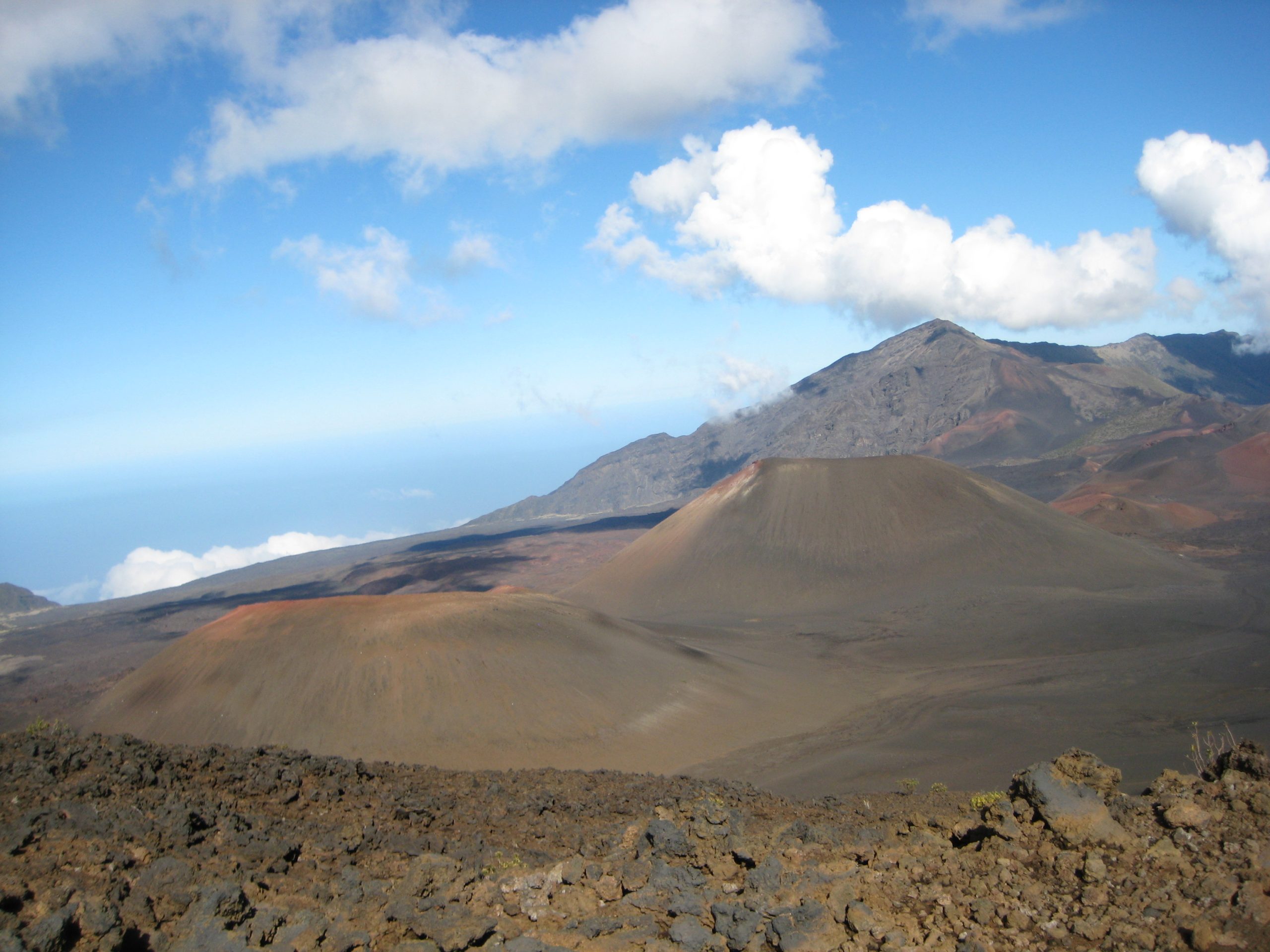
Return to a designated crater viewpoint once parking permits. Daylight reveals the terrain that was difficult to see while you waited for dawn.
A 0.4-mile round trip beside Haleakalā Visitor Center, with about 100 feet of elevation change. It is short, but uphill and exposed.
A 0.3-mile round trip to a crater overlook. Use care on the uneven trail and when crossing the road from the parking area.
A roughly half-mile loop lower in the district, with forest and native shrubland. It offers a different landscape on your way down.
Check current NPS trail information before walking. Sliding Sands is a separate hiking commitment, especially if you descend far into the crater. Budget substantially more time for the uphill return. Do not let an easy downhill start set the distance after a short night’s sleep.
Keep the rest of the day light. A relaxed lunch and time at your resort are easier to enjoy than another long drive. Use our guides to plan snorkeling or a Road to Hana day separately.
Visit a Living Cultural Landscape With Care
Haleakalā is sacred to Native Hawaiians. Its cultural importance continues through the knowledge, traditions, songs and practices of people today. If an oli or other practice takes place while you are there, give people space, remain quiet and do not interrupt. A cultural practice is not a promised element of a visitor’s sunrise itinerary. Explore the park’s cultural history.
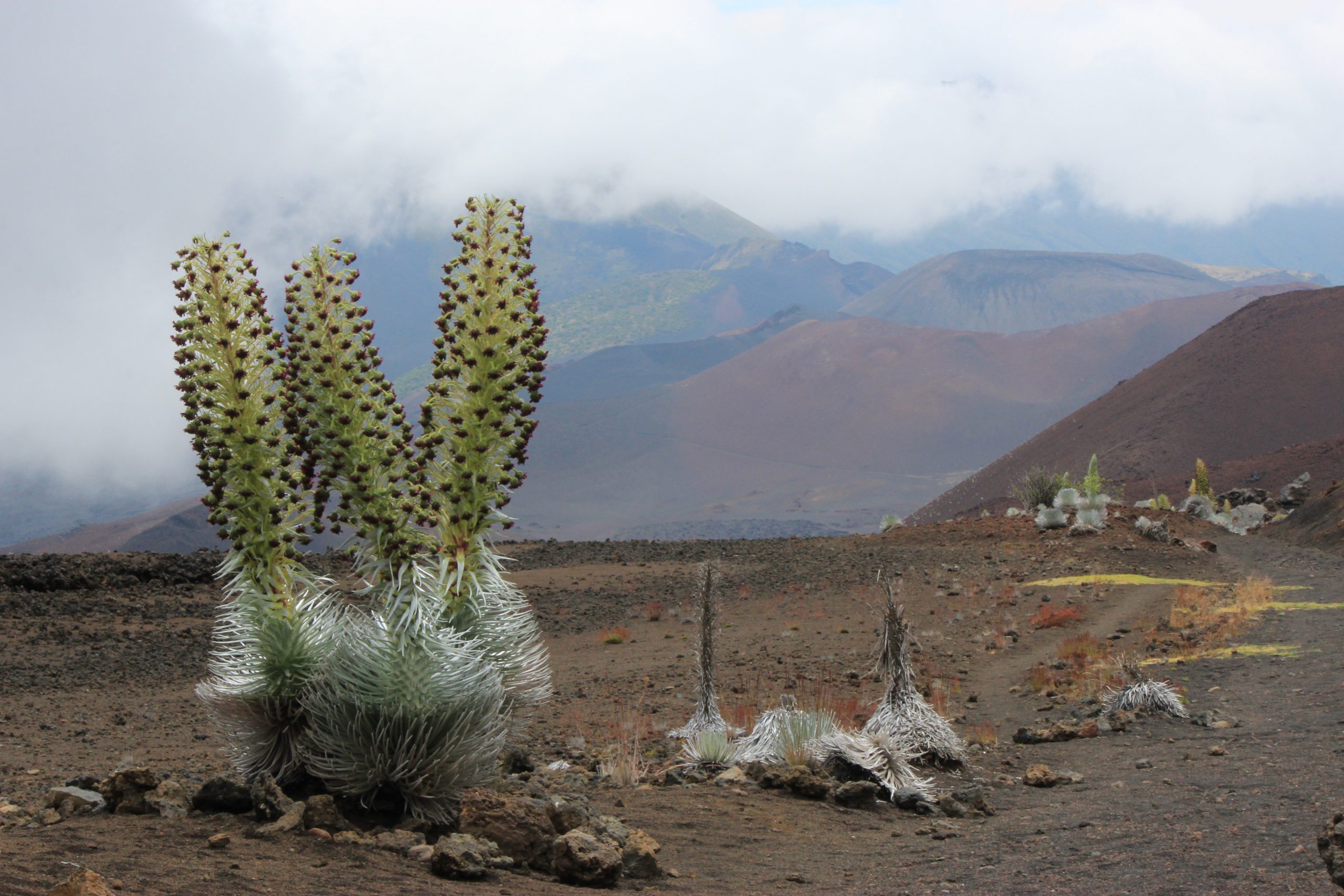
Stay on designated trails and paved viewing areas. Silverswords have fragile roots extending around their bases, so do not step toward a plant for a closer photograph. Leave rocks, cinder and cultural features where they are. Clean soil and seeds from shoes before entering the park, carry out rubbish and never feed wildlife.
Drive slowly around nēnē and other birds, including in parking lots. Park only in designated spaces and respect closed lots. For stargazing, keep phones dim and use a red light sparingly when practical. Turn off unnecessary lights when safely parked, but keep the lights you need for safe driving. NPS stargazing advice.
Drones: launching, landing or operating a drone from park lands is prohibited unless specifically authorized in writing. Pets: plan for lots and roadways only, on a leash and never unattended. Trails, buildings and Hosmer Grove Campground are unsuitable for a pet outing. If you plan to bring a pet, check the current park rules before your visit because access is limited. Service animals have separate access provisions. See current park rules and pet guidance.
Your Night-Before Checklist
- Confirm access. Save the vehicle reservation and holder’s ID, or reconfirm the tour’s pickup location and time.
- Check conditions. Read park alerts and the summit forecast. Follow any closure rather than relying on your booking.
- Set a date-specific departure. Use the correct summit destination and preserve the gate and viewpoint arrival buffer.
- Pack while you are awake. Layers, shoes, hat, gloves, water, breakfast, light, card, reservation and charged phone.
- Prepare the vehicle. Fuel or charge it, download directions and agree on a rested driver for both legs.
- Protect the rest of the day. Allow a slow morning afterward and give yourself permission to shorten the visit if uncomfortable.
Haleakalā Sunrise FAQs
Should we visit sunrise on the day we fly home?
Choose another morning if possible, especially before a morning or early-afternoon flight. Weather, slow driving and tour return times can eat into your airport buffer. A later flight leaves more room, but an earlier trip day gives you a better chance to enjoy the park without watching the clock.
Can we book a snorkeling boat the same morning?
A guided sunrise tour commonly returns in late morning or around noon, so it is a poor pairing with a morning boat check-in. Self-driving gives you more control, but still leaves a long descent and drive to the harbor. Put the boat trip on another day rather than making sunrise a hurried stop.
Can we arrive after 7 am and still see sunrise?
Check your date’s sunrise time. The end of the reservation window is an access rule, not a promise that the sun has not risen. A later morning visit is still worthwhile for the landscape.
Can we stargaze before sunrise or after sunset?
Yes, if skies, warmth and access allow. Before sunrise, keep your reservation and arrival timing in order. After sunset, wait for twilight to fade and plan a safe drive down. Moonlight and clouds affect what you can see. Stargazing does not permit sleeping overnight in a car outside a designated campground.
Can we visit Kīpahulu after sunrise with the same admission?
The standard three-day vehicle admission covers both districts, but they are not directly connected by road. Kīpahulu is reached along the Hana Highway. Keep the receipt and plan that coast as a separate outing rather than a quick summit add-on.