
Maui Luxe Local Guide
Best Whale Watching Tours in Maui: Which One Is Right for You?
There's a lovely anticipation to heading out onto the water in winter. Maui's slopes settle into the distance, everyone starts scanning the horizon, and a patch of ocean suddenly deserves your full attention. It might be a blow, a dark back breaking the surface, or simply the place a whale disappeared a moment ago.
The part you can choose is how you'd like to spend that time. A low raft with a handful of fellow guests feels very different from a roomy catamaran with shaded seats and somewhere to stretch your legs. Neither buys a better performance from the whales.
Start with your group's comfort and boarding needs, then choose a departure near your hotel. After that, compare passenger numbers, interpretation and total price. That's a much better route to the right Maui whale-watching tour than choosing whichever company has the most dramatic photograph.
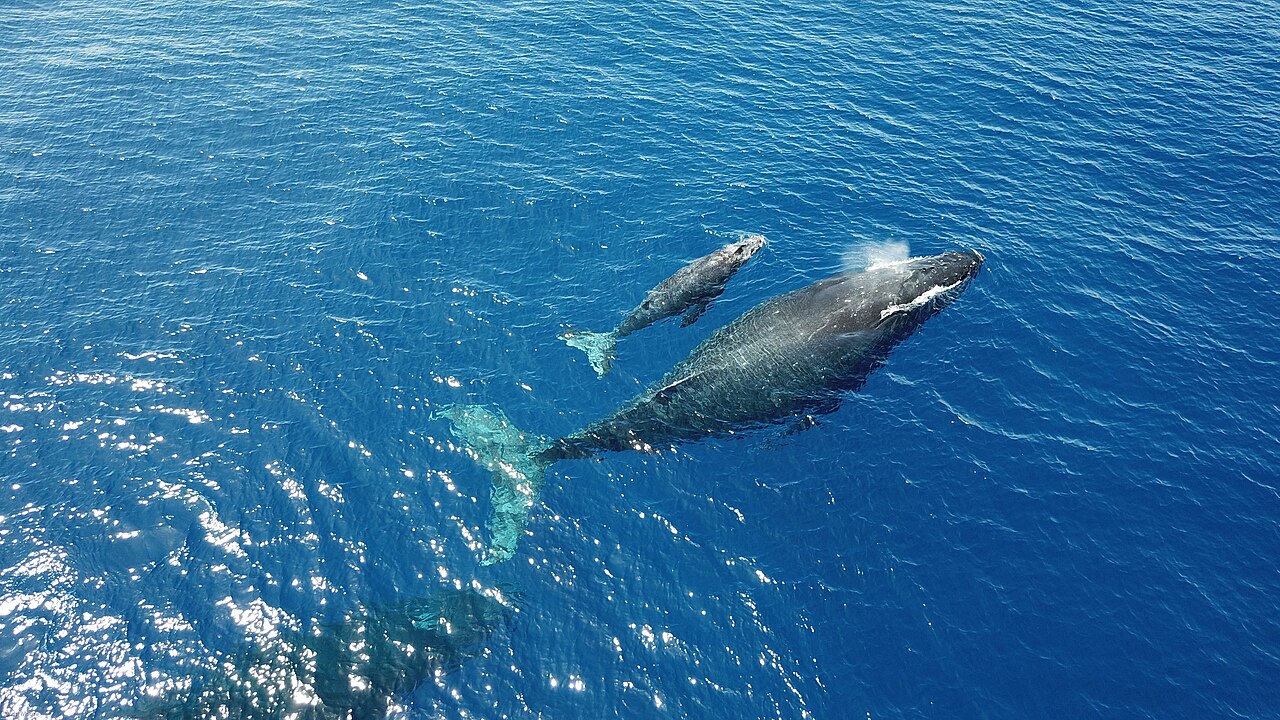
Find the Whale Watch That Fits Your Group
A useful starting point when interpretation and younger children matter more than a small passenger count.
A published 12-guest option for people who actively want the raft experience.
Harbor boarding and a more cruise-like outing. Confirm which vessel operates your departure.
Keep the outing near your resort if everyone is comfortable with wet beach boarding.
A shorter outing from Kīhei for guests who meet its relatively narrow age and physical-fit guidance.
Does the Boat Actually Matter?
Yes, because the boat shapes the whole outing around the sightings. Think about the waiting, the ride between stops, where you'll sit and how you'll move when a whale surfaces on the other side. Those details often matter more than an extra inclusion in the ticket description.
A raft or low-profile boat
You sit nearer the water, usually with fewer people around you. That can suit guests who enjoy an adventurous ride and want to feel involved in the search.
Expect the possibility of bumps, spray and exposure. Shade, restrooms and seating vary substantially between actual vessels. Some have benches and a canopy, others offer a more exposed ride. Check the specific boat, not just the word “raft.”
A larger catamaran
Choose this direction when a place to sit, shelter and room to move are central to enjoying the trip. A higher viewing position may also suit someone who prefers scanning a wider patch of water.
A larger boat can carry more guests, so the atmosphere may feel less intimate. Two hulls do not mean motion-free water, and a large vessel can still have stairs, narrow passages or challenging boarding.
There is also a middle ground. PacWhale's Ocean Explorer offers a smaller passenger count than its Classic trip, but more weather exposure than its enclosed-cabin vessels. Hawaii Ocean Rafting publishes considerably more shade on two of its rafts than on its smallest boat. “Small” and “comfortable” aren't mutually exclusive, but neither word tells the whole story.
No boat format is entitled to approach humpbacks more closely. A low viewpoint can make an encounter feel different without changing the legal distance. Don't pay a premium because you expect a captain to deliver a close approach.
Compare Maui Whale-Watching Tours
These are different ways to spend a whale watch, not a first-to-last ranking. The two PacWhale trips are separated because their group sizes and minimum ages change the decision.
Product details and published prices were checked September 12, 2026. Date-specific 2026–27 inventory was not independently confirmed across all operators, and sailing dates, vessel assignments or fares may still change. Confirm the live booking page before reserving. Prices below are advertised adult rates or entry prices, not final checkout totals. “Confirm” marks a detail not established for the specific sailing.
Swipe to compare all columns →
| Tour / departure | Boat / group | Duration / published price | Bathroom / shelter | Best fit / main compromise |
|---|---|---|---|---|
| PacWhale Classic Māʻalaea | Larger catamaran Confirm trip cap | 2 hours $99.05 | Restrooms and cabin on larger vessels; confirm assignment | Family value and interpretation More fellow passengers |
| PacWhale Small Group Māʻalaea | Ocean Explorer FAQ lists 40 | 2 hours $129.95 | Onboard restrooms; confirm access layout Limited rear shade | Smaller educational outing Ages 7+; more exposure |
| Ultimate VIP Māla Boat Ramp | Raft-style trip 12-guest cap | 2 hours $125 | Vessel-dependent; confirm both | Small shared group Physical restrictions |
| Aliʻi Nui Catamaran Whale Watch Māʻalaea | 65-foot catamaran Confirm actual trip cap | About 2 hours From $119 | Shaded seating advertised; confirm vessel/restroom access | Harbor boarding and hospitality More cruise-like |
| Sea Maui Kāʻanapali Beach | Open-air catamaran Confirm trip cap | 2 hours $96.64 on tour page* | Confirm onboard restroom Confirm shaded seating | West Maui resort convenience Wet beach loading |
| Redline Kīhei Boat Ramp | Raft Confirm current passenger cap | 1½ hours $89 + tax online | Confirm whale-trip amenities | Short South Maui outing Published ages 8–65 |
| Hawaii Ocean Rafting Māla Boat Ramp | Rafts with 14–26 vessel capacities | 1½ or 2 hours From $52 | Restroom at check-in; onboard unconfirmed Shade varies by raft | Lower entry price Compare exact duration and vessel |
*Sea Maui's homepage also advertises “from $103.” Its public pages do not explain the difference. Use the final booking total rather than treating $96.64 as an all-in fare.
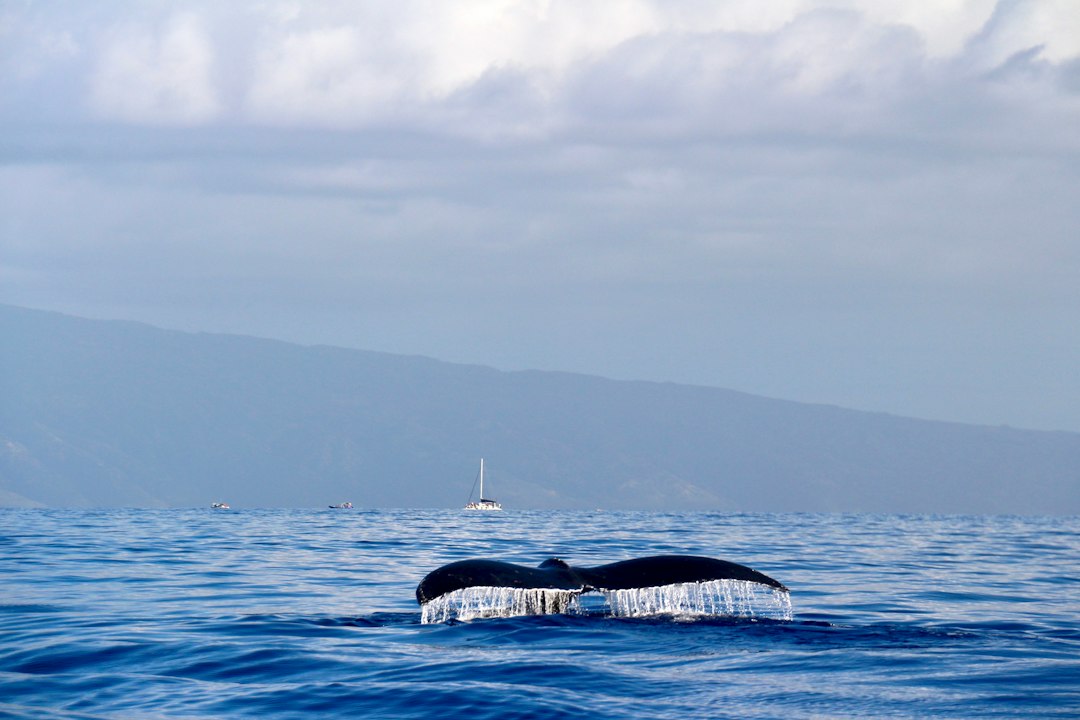
Is Whale Watching in Maui Worth It?
A dedicated whale watch can be very worthwhile during peak season if you enjoy wildlife, want time offshore focused on observation and value the crew's or naturalist's interpretation. You're paying for the boat, time on the water and expertise, not a guaranteed dramatic performance from the whales.
It may be poor value if someone strongly dislikes boat travel, seasickness is likely to dominate the outing, or only a breach or very close encounter would count as success. Outside the main whale season, a dedicated trip is also harder to justify if seeing humpbacks is your reason for going.
A boat tour isn't the only option: you can see humpbacks from shore during the season. Watching from a free public shoreline viewpoint avoids the ticket cost and seasickness, though the experience is normally more distant. Binoculars help. Explore the sanctuary's visitor information.
A Closer Look at the Choices
Choose two tours to compare after you've settled the boat question. You don't need to investigate every operator if one format clearly suits your group.
PacWhale Classic Whale Watch
Start here if the family's main wish is to learn about whales together without paying for a tiny group. The approximately two-hour Māʻalaea trip includes Certified Marine Naturalists, a hydrophone and a children's Jr. Naturalist program.
Published tickets are $99.05 for ages 13+, $55.55 for ages 5–12, and free for each child four or younger with a paying adult. Check in at the Ocean Store 45 minutes ahead. Filtered water is included; snacks and other beverages are sold separately.
Choose it for the educational structure and family pricing. Choose another format if a low passenger count is essential. Ask which larger vessel is scheduled, especially if shade, restroom access or a wheelchair will determine whether someone can join.
Check current details, live pricing and availability on the official PacWhale website →
PacWhale Small Group on Ocean Explorer
This is the alternative when you like PacWhale's approach but want a smaller boat. Its FAQ lists 40 passengers for Ocean Explorer. The two-hour trip departs Māʻalaea, with adult pricing of $129.95 and $99.95 for children 7–12.
Naturalist interpretation and a hydrophone remain part of the experience. Children under seven cannot join. The more open boat also changes the comfort equation: there is limited shade at the back and no interior cabin. The fleet page lists onboard bathrooms for Ocean Explorer; confirm the access layout if steps or narrow spaces are a concern.
Choose it when fewer passengers are worth the higher price and you're happy outside. Choose Classic instead if young children or shelter matter more. “Small Group” is a comparison with a larger cruise, not a promise of a semi-private outing.
Check current details, live pricing and availability on the official PacWhale website →
Ultimate Whale Watch: Compare VIP With Standard
Ultimate makes the group-size upgrade unusually clear. Its two-hour Standard listing is $88 with up to 28 guests, while VIP is $125 with a 12-guest cap. A six-guest shared option is also advertised at $177. Current product cards specify Māla Boat Ramp.
The attraction is the smaller shared setting and low viewpoint. Naturalist guides and hydrophones are advertised. Check in 20 minutes before departure, using the location in your confirmation.
Passengers must be at least four. Pregnancy and back or neck injuries exclude participation under the published policy. Ask about boarding, shaded seats and a restroom on the actual assigned vessel.
Choose VIP when reducing the group is worth $37 more per person than Standard. Choose elsewhere if you mainly want a cushioned, sheltered cruise. Paying for fewer people doesn't change what the whales will do.
Check current details, live pricing and availability on the official Ultimate website →
Aliʻi Nui's Catamaran Whale Watch
This is a promising fit when the outing itself should feel comfortable and sociable. The operator advertises a 65-foot catamaran, shaded seating, certified marine naturalists, hydrophones and an open bar, from $119. An onboard professional photographer is currently advertised; confirm how photos are provided and whether they cost extra.
Published departures are 8 a.m. and 1 p.m. from Māʻalaea Slip 56, with check-in 15 minutes before and an additional 15-minute arrival buffer recommended. It is a dedicated whale watch, with no snorkeling or sailing component advertised.
Confirm the boat's name. The fleet includes both Aliʻi Nui and Aliʻi Kai, with different layouts. Aliʻi Nui's fleet description lists a shaded dining cabin and two oversized restrooms; those details shouldn't automatically be transferred to another vessel. A certified maximum is also different from your trip's passenger cap.
Choose it for harbor access and onboard hospitality. Skip the upgrade if you're simply hoping to see more whales. The morning Top Deck is a separate premium product, so assess its seating and service benefits on their own.
Check current details, live pricing and availability on the official Aliʻi Nui website →
Sea Maui Whale Watching
For guests staying near Whalers Village, avoiding a separate harbor drive can be the strongest reason to book Sea Maui. The two-hour trip advertises naturalists, a hydrophone, beanbag seating and an open bar.
The tour page lists $96.64 for adults 21+, $85.28 for ages 13–20 and $73.90 for ages 3–12. Ages two and under are free. Published winter times are 8 a.m., 11 a.m. and 2 p.m., roughly mid-December to mid-April.
Check in 30 minutes early at the beach-walk kiosk between Leilani's and Hula Grill. Bring your Whalers Village parking ticket for the advertised four-hour validation. Confirm onboard restroom availability and shaded seating for your specific public whale-watch departure.
Choose it for location and a relaxed social atmosphere. Choose harbor boarding if anyone struggles with sand, water or steps. You'll wade before climbing a dropdown staircase. Sea Maui explicitly excludes wheelchair access and advises against participation when guests cannot walk completely unassisted.
Check current details, live pricing and availability on the official Sea Maui website →
Redline Rafting
Redline is worth considering when you're staying in Kīhei or Wailea and want a raft departure from Kīhei Boat Ramp. Its dedicated whale watch is 1½ hours, advertised at $89 plus tax online, with a marine naturalist and hydrophone.
The published schedule has 7, 9 and 11 a.m. departures and check-in 30 minutes ahead. The restriction block gives a minimum age of eight and maximum of 65, and advises against the trip for pregnant guests, people with back or neck problems, and elderly or fragile passengers.
Its page lists “20 people” near the top and a maximum of 24 passengers elsewhere. Confirm the current cap, seating, shade and restroom for your actual whale trip before buying.
Choose it for the South Maui launch and shorter duration, provided everyone fits the policy. Choose another operator for an older multigenerational group or when guaranteed shelter is essential. A convenient launch cannot compensate for a poor physical fit.
Check current details, live pricing and availability on the official Redline website →
Hawaii Ocean Rafting
The advertised entry price is from $52 for 90-minute or two-hour offerings. Match the price to the actual departure and duration before comparing it with a fixed two-hour ticket.
The fleet illustrates why boat details matter: Kuokoa Kai and Aloha Kauwela advertise bench seating and 80% shade, with capacities of 26 and 17. Naia lists saddle seating, 30% shade and 14 guests. Ask which is scheduled.
Check-in is at Dive Maui, 1223 Front Street, 30 minutes before departure from Māla Boat Ramp. Guests must walk independently. Children under three, pregnant passengers and people with back or neck injuries cannot participate. The listed restroom is at check-in; confirm any onboard facility.
Choose it if a lower-priced raft outing appeals and the assigned boat fits. Choose elsewhere if you need assured onboard restroom access or assisted boarding. A shaded raft still requires suitable mobility.
Check current details, live pricing and availability on the official Hawaii Ocean Rafting website →
Which Departure Area Makes Sense?
Don't choose a departure by a hotel mailing address alone. “Lāhainā” can appear in an address for a Kāʻanapali business, and Māla Boat Ramp is not Lāhainā Harbor. Use the meeting pin supplied for your specific reservation.
Begin with Māʻalaea's larger-vessel options. Kīhei Boat Ramp is a useful alternative for a suitable raft outing. A West Maui departure can still be worthwhile for a specific product, but include the extra travel in the decision.
Beach loading can turn the excursion into an easy walk from nearby resorts. If wading and stairs don't suit your group, compare a harbor or ramp departure with the operator before choosing convenience alone.
Compare West Maui choices first. Check the actual meeting point, parking arrangement and walk to boarding. A map pin for an office may be separate from the place you'll board.
Allow time for parking, payment and finding the correct store or slip. Check-in instructions differ by operator. The harbor and Harbor Shops have paid parking, so follow signs for the lot you use.
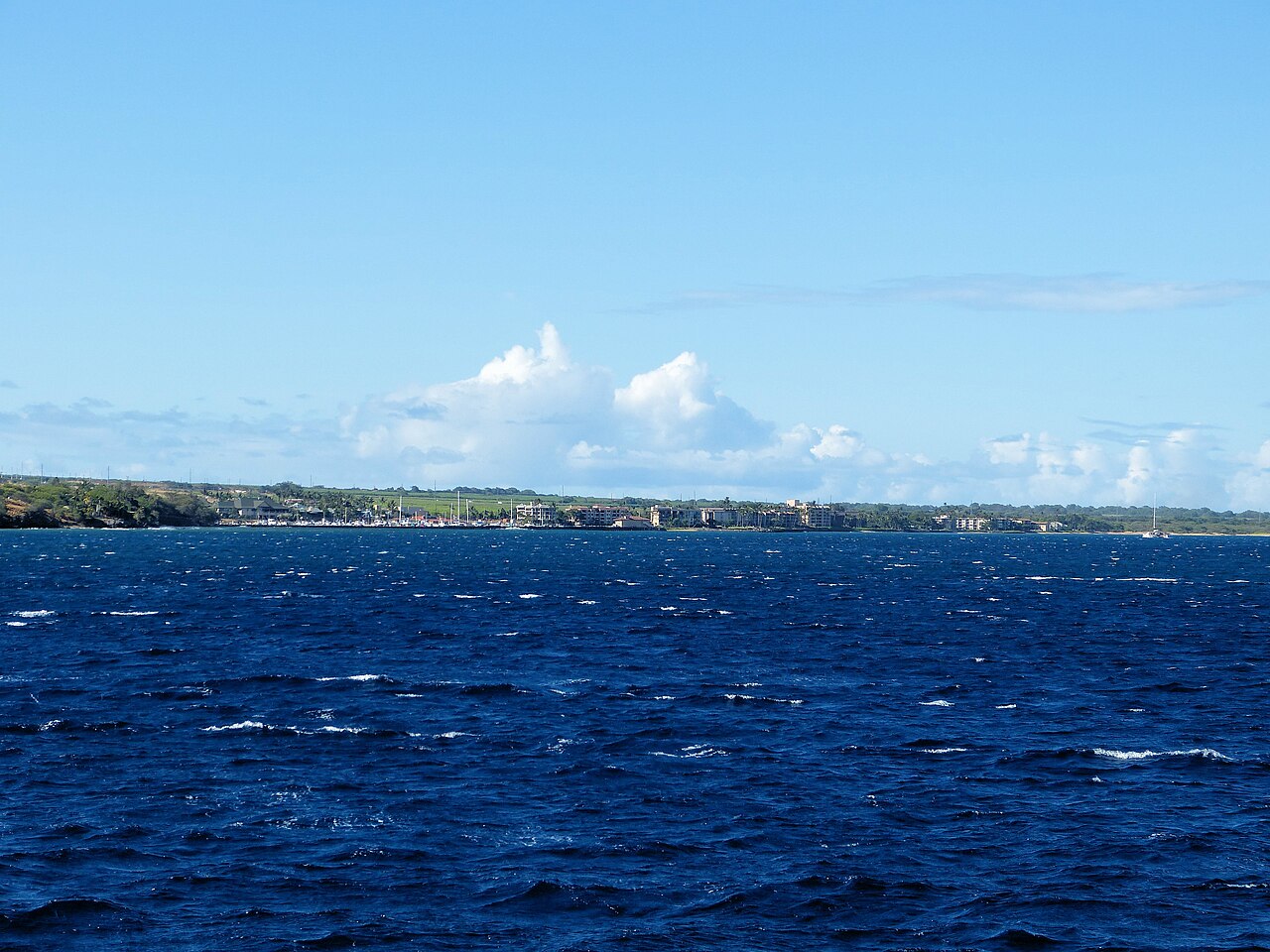
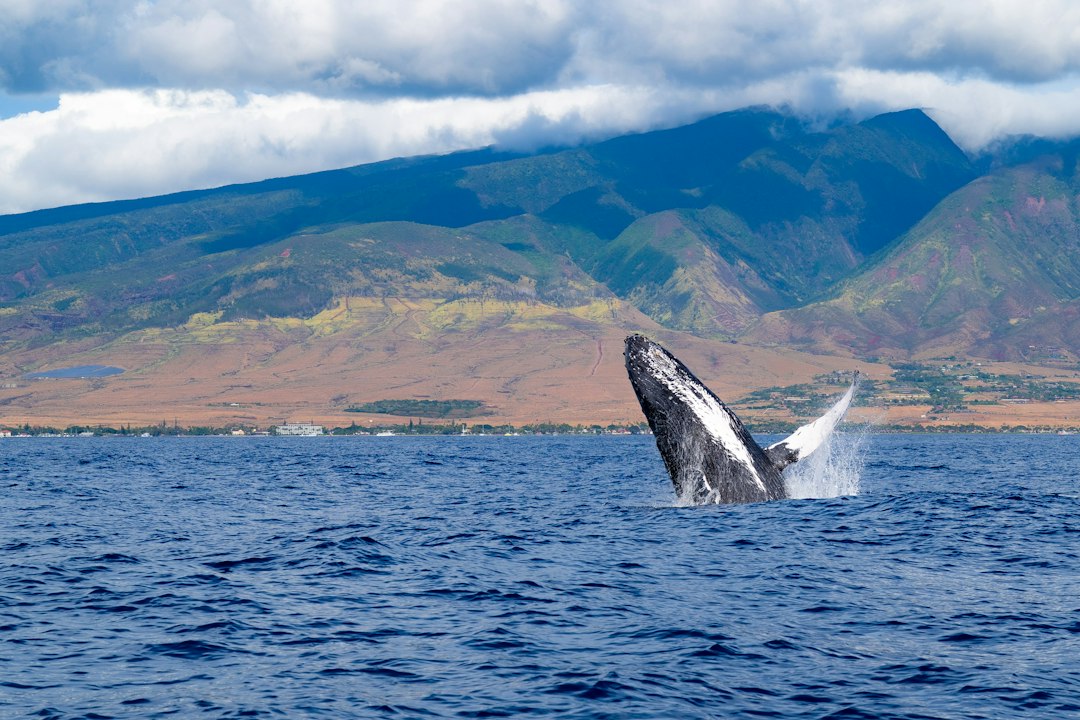
When Is the Best Time for Whale Watching in Maui?
January through March is the strongest planning window if whale watching is a main reason for your trip. The Hawaiian Islands Humpback Whale National Marine Sanctuary identifies those months as the usual peak. Humpbacks come to Hawaiian waters to mate, give birth and nurse their young.
February is a sensible middle-of-season choice, but there isn't enough reason to promise that it beats every January or March outing. Conditions and encounters vary. You don't need to rearrange a March vacation simply because another article calls February “the best month.”
November and December are the building part of the season, while sightings generally taper in spring. NOAA describes a broader occurrence window than many operators' December–April tour schedules. A few whales being present is different from peak abundance, and a seasonal tour being offered is different from a promised sighting.
Morning or Afternoon?
If calmer water is a priority, a morning departure is often a sensible first choice. Sea Maui recommends its early trips for comfort, but Maui conditions vary by day and location. This is a tendency rather than a guarantee. Ask the crew about the forecast for your route.
There is no sound basis here for saying humpbacks are inherently more active on morning tours. An afternoon departure can fit beautifully around a leisurely breakfast or a child's routine. If conditions are suitable, choose the time that lets everyone arrive relaxed.
Book toward the beginning of your stay when possible. That leaves room for a weather reschedule or a second outing, rather than making the final morning carry all your expectations.
Families, Older Travelers and Mobility
For a mixed-age group, choose for the person with the least tolerance for boarding difficulty, sun or boat motion. Everyone else can still enjoy the whales from that boat. It is harder to rescue the day after someone discovers at the shoreline that the boarding process won't work for them.
With Children
Ask where a child will sit, whether they'll see over the rail from that position, and what flotation equipment is provided for their age and size. Bathroom access and a manageable duration can matter more than an elaborate snack package. Bring what your family needs within the operator's food and bag rules.
A free toddler ticket doesn't tell you whether the outing will be enjoyable for that toddler. Compare nap timing and the parent's ability to supervise throughout. Avoid relying on holding a child up for a better view: PacWhale specifically prohibits children on shoulders and standing on seats.
With Older Travelers
Age by itself doesn't describe someone's needs. Ask about a proper seat, shelter, handholds and the walk to the restroom. A beanbag may be pleasant for one person and difficult to rise from for another. Beach loading may be easy for a fit older guest and unsuitable for someone much younger with a knee injury.
With a Wheelchair or Significant Mobility Needs
Contact PacWhale about a suitable Ocean Guardian departure: its published access guidance is more specific than a generic “accessible” label. Restrictions include lightweight folding wheelchairs, no electric chairs, a companion for boarding assistance and limited deck access. Confirm the dock and complete restroom route. Crew cannot be assumed to lift a guest or occupied chair. Read the current accessibility guidance.
For every operator, describe the actual need: “Can walk a few steps but cannot climb stairs” is more useful than “Is the boat senior-friendly?” Pregnancy, a recent operation or back and neck conditions also warrant checking the exact participation policy before payment. An unlisted restriction is not medical clearance.
If You're Prone to Seasickness
A larger catamaran is a sensible starting point, but no boat eliminates motion. Tell the crew you're sensitive and ask for an appropriate seat away from the bow's greater movement, with a clear horizon view and fresh air.
Look out at the horizon rather than down at a phone. Get adequate sleep, eat lightly and avoid a heavy pre-trip meal. If you use a motion-sickness medicine, discuss options such as meclizine or dimenhydrinate with a pharmacist before departure. They can cause drowsiness, and suitability and timing differ, especially for children and pregnancy. Follow the label and professional advice. CDC's motion-sickness guidance.
What to Bring
Keep it simple: sun protection, sunglasses, a secure hat, a light wind-resistant layer and a protected camera or phone. Pack electronics inside a closed bag for beach boarding. Choose footwear according to the operator's rules, since some cruises are barefoot and others recommend flat shoes.
Don't overfill a bag with things you'll never use. You'll be happier with one hand available for a railing and the items you actually need easy to reach.
What Happens on a Typical Whale Watch?
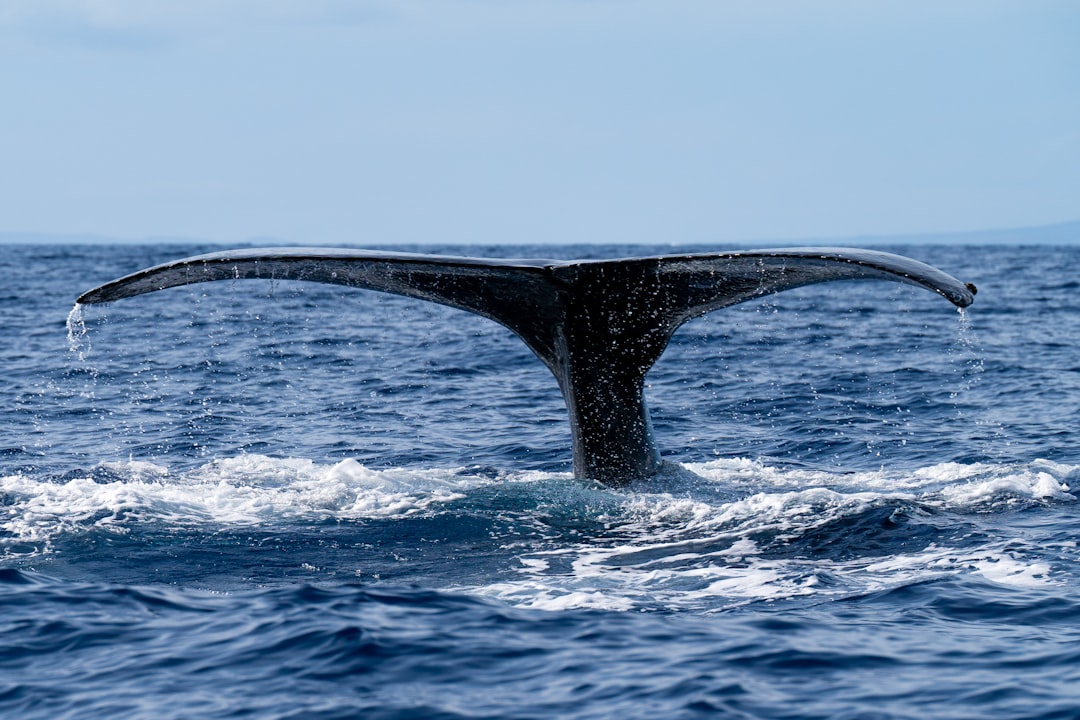
After check-in and the safety briefing, the boat heads out to search. Crew explain where to look and, when whales are located, help guests follow what is happening. There can be stretches of quiet scanning between surfacings. Most of the core trips here return after about two hours or less.
Don't judge the experience solely by whether a whale breaches. Watching a back roll through the water, following a blow or noticing a fluke before a dive can be absorbing in its own right. There is no fixed program, and a distant or brief sighting may be the encounter a trip gets.
Naturalists and Hydrophones
A hydrophone is an underwater microphone. Several tours here advertise one, but carrying the equipment doesn't ensure you'll hear a clear song on your outing. Deployment, background noise and the whales all matter.
Good interpretation helps guests understand the quieter intervals as well as the conspicuous behavior. If learning is your priority, compare how a tour describes its naturalist program. “Marine naturalist” and “marine biologist” aren't interchangeable credentials, and the presence of a photographer doesn't mean photography instruction is included.
For Photography
A raft offers a low angle. A higher deck offers a different perspective over the surface. Neither automatically produces better images. Think about whether you can comfortably hold your camera, move when directed and keep it protected from spray.
A zoom lens is useful because responsible viewing keeps distance. Leave room in the frame for unexpected movement, secure your gear and resist changing lenses when spray is coming aboard. On a moving boat, a quick, manageable setup is often more useful than a bag full of equipment.
If a photograph is the main purpose of the trip, ask about passenger limits, sightlines and whether rail positions are shared. Keep some time to watch without a screen, too. It is easy to spend an entire surfacing adjusting a camera.
What Does a “Whale Guarantee” Actually Mean?
Usually, it is a remedy after a no-sighting trip. It does not mean the captain controls the encounter, or that a distant whale fails to count.
- PacWhale: another eligible whale watch of equal or lesser value within one year.
- Ultimate, Redline and Hawaii Ocean Rafting: their reviewed pages promise another trip free. Confirm expiry, booking availability and any date restrictions.
- Aliʻi Nui: the whale-tour FAQ states free rebooking or a refund if whales aren't seen. Ask how that remedy is applied.
- Sea Maui: a specific no-sighting remedy wasn't established in the reviewed pages. Ask directly if it affects your choice.
A re-ride has limited practical value when you're flying home the next day. Also check whether a repeat can be booked only if space remains. None of these policies should be read as a guarantee of a breach, calf, close encounter or photograph.
Cancellation Is a Separate Question
Published guest-cancellation windows include 48 hours for PacWhale, Aliʻi Nui and Sea Maui's standard public trips, and 24 hours for Ultimate's group trips. Redline requires 48 hours for parties up to five and 72 hours for six or more. Hawaii Ocean Rafting requires 24 hours, increasing to 72 hours for groups of five or more.
Private charters, holidays and optional protection products may have different terms. Ask separately what happens when the operator cancels for weather or minimum passenger numbers. Save the conditions attached to your booking, particularly if you reserve through a third party.
When Is a Private Whale Watch Worth It?
Private makes sense when keeping the group together, choosing the atmosphere or coordinating timing is worth the extra cost. It may suit a celebration or a family that wants to ask questions freely without sharing the whole boat.
It is less compelling for a couple who simply wants a good whale watch. A smaller shared trip may provide the intimacy you're seeking at a lower total cost. Private doesn't remove physical restrictions, change wildlife rules or guarantee more sightings.
For a larger family, compare the whole-charter quote with the full cost of everyone's shared tickets. Ask what is included, the maximum group size and whether the boat meets the needs of the least mobile guest. Ultimate, Hawaii Ocean Rafting, Sea Maui and Aliʻi Nui publish private options, but the exact vessel matters more than the word “private.”
Do You Need Private Transportation?
A couple with a rental car and straightforward harbor parking may not need it. Door-to-door service becomes more useful for a large group, an early check-in, guests without a car or older travelers who want fewer arrival logistics.
If that would simplify your day, ask Maui Luxe about transportation or explore the fleet. Have the operator's confirmed meeting point ready. Transportation can simplify getting there, but it doesn't solve a difficult boat-boarding process.
Give the Whales Room
Hawaiʻi's rules prohibit approaching humpback whales within 100 yards, about 91 meters, by vessel or other means. That includes swimming toward them. Boats must not pursue, crowd or deliberately intercept a whale's path to manufacture an encounter. NOAA's approach regulations.
A whale can approach a vessel on its own. NOAA advises putting engines in neutral when whales approach to pass. Follow the captain's instructions and stay aboard. A whale choosing to come nearer isn't permission to touch it, enter the water or encourage pursuit. NOAA's viewing guidance.
Leave a drone out of your whale-watch plans. Close-approach restrictions apply to drones too, and boats may prohibit bringing them. Research images taken under permits don't describe what visitors may legally recreate.
Before You Book, Confirm These Six Things
- Your date and exact meeting point. Distinguish the office, check-in desk and boarding location. Confirm check-in time and parking.
- The actual boat. Ask its name, passenger cap, seating, shade and restroom arrangement.
- Everyone's physical fit. Minimum ages, pregnancy or injury restrictions, boarding steps and any mobility assistance.
- The full outing. Time on the water, food and drinks, interpretation, hydrophone and any separate upgrades.
- The total price. Include taxes, fees, child tickets, parking and optional extras before comparing.
- The remedy if plans change. Guest cancellation, operator weather cancellation and no-sighting re-ride or refund terms.
Once those answers fit, book. Spending another evening comparing descriptions won't tell you what the whales will do. It will mostly delay choosing the boat your group can enjoy.
Maui Whale-Watching FAQs
Is whale watching in Maui worth it?
Often, during peak season, if you enjoy wildlife and are comfortable on a boat. Shore viewing may suit you better if seasickness or cost is the deciding factor. See the value and tradeoffs above.
Is Kāʻanapali or Māʻalaea better?
Choose around the boat and arrival experience you want. Kāʻanapali can be convenient for nearby resort guests comfortable with beach boarding. Māʻalaea offers harbor departures worth comparing for a larger-vessel outing. Neither departure guarantees better whale behavior.
Should I choose the smallest possible boat?
Only if a small group and low viewpoint are priorities. Check what you give up in shelter, seating and ease of movement. A slightly larger boat that suits everyone is a better purchase than the smallest boat someone will struggle to enjoy.
Can I watch whales from shore instead?
Yes. The sanctuary describes viewing from shore as well as at sea during the season. Choose a safe public shoreline viewpoint, bring binoculars and allow time to scan. Shore watching avoids the boat ride and ticket cost, but offers a different, often more distant perspective. See the sanctuary's visitor information.
Should I combine whale watching with snorkeling?
Combine them if both activities matter and everyone wants the longer outing. Choose a dedicated whale watch when you want your time focused on the search or have non-swimmers in the group. Compare ocean activities in our Maui snorkeling guide.
What if the forecast looks windy?
Ask the operator about the route and boarding conditions before deciding. A weather app for your hotel doesn't fully describe the water offshore. Follow the captain's operating decision and your booking's cancellation policy rather than assuming you can cancel without charge whenever the forecast looks uninviting.